I connect the dots and comment on what I see.

Mohammed bin Salman got the war he wanted and is discovering that the price was not the one agreed. A strategy built on managed ambiguity proved fragile once ambiguity ended.
For a decade British strategic culture treated the Gulf as someone else's problem. Seven days showed the cost of that blindness, and why understanding the architecture matters more than predicting.
An Iranian drone struck a British base on Cyprus and Starmer let the US launch strikes from British soil without recalling Parliament. The island Britain never quite left is now at the centre of a war.
While the world watched Hormuz, Beijing approved its 15th Five-Year Plan. The lower growth target matters less than the map of power it sets down for the next five years.
Don Faul is leaving CrossFit in the middle of the Open with the company still unsold. Another buyer arriving with a deck of synergies and no plan for how decisions get made will produce the same result.
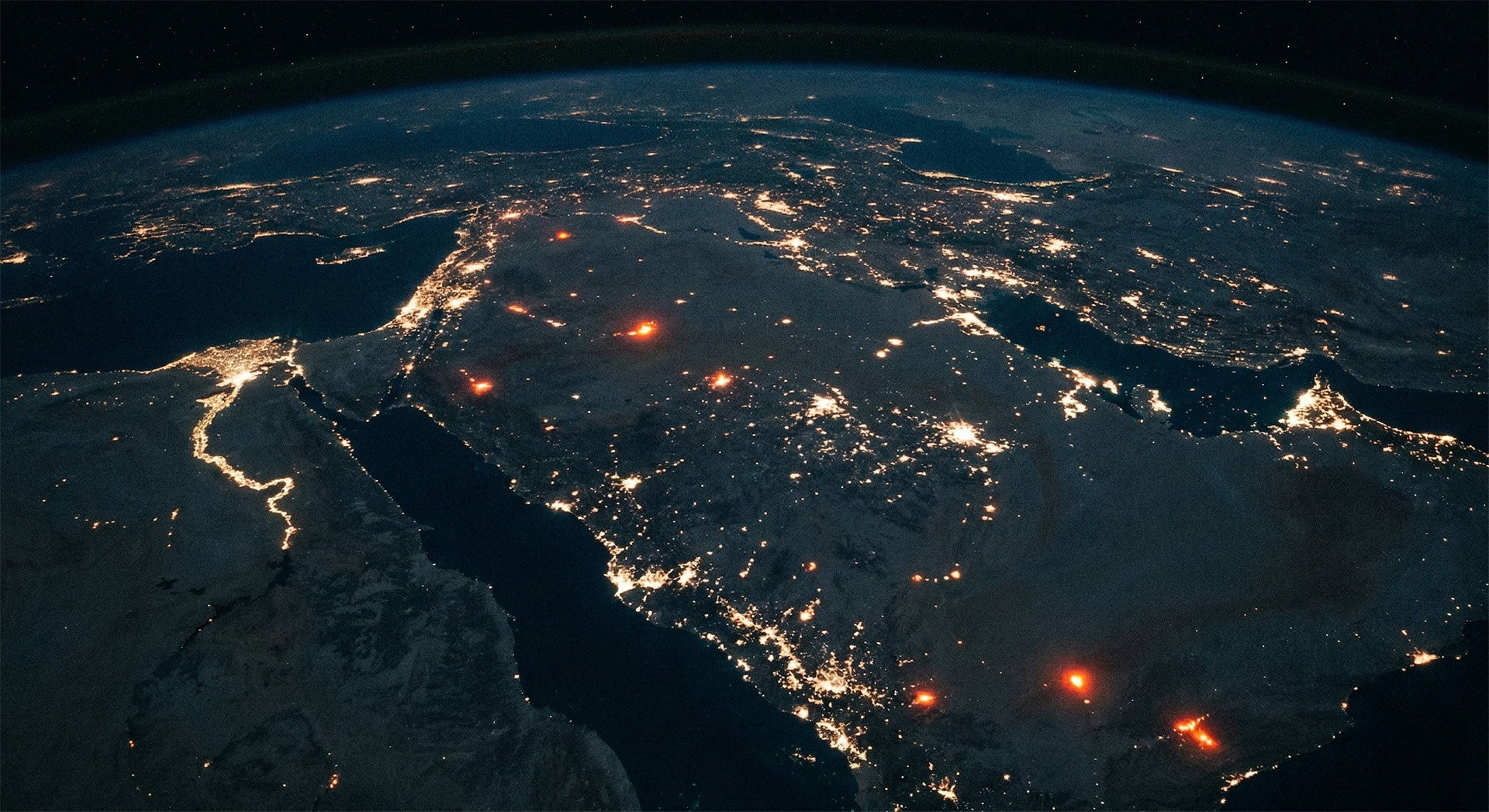
Three days into open war in the Middle East, the real question is not whether Khamenei is dead but who pays for what comes next. America decided, and the bill goes elsewhere.
Strikes in the Gulf took two AWS availability zones in the UAE offline, and Abu Dhabi's banking apps with them. Systems are not separate just because they sit on different org charts.
Twenty-four hours after Oman announced a nuclear breakthrough, US and Israeli missiles killed Khamenei. Aerial regime change rarely works, because structures survive people.
Strictly necessary storage is always active. You can choose whether to allow analytics: