The friction you do not see
Posted on: 25 April 2026
At my place in Switzerland the kitchen handles open without a workout, the cabinets and drawers close themselves with that quiet pause that tells you somebody thought about the gesture before you did, the bin slides out on its own and the knife block keeps the blades sharp every time you put them back. The worktops are wide and in sintered stone, harder to clean but a different proposition from the ones with the plastic veneer that peels off after two years; the table is the same material, not held together by two pieces of chipboard on a frame that looks like it came from a skip. The coffee machine grinds beans rather than feeding on capsules, hot water arrives from the tap straight away rather than after thirty seconds of waiting that turn into a small daily ritual of irritation, the appliances talk to each other but more importantly they work and when you cook you actually know what you'll get because the tools are the right ones and cooking goes back to being what it should be: a pleasure. The napkins are cloth rather than paper and pizza, on the rare occasions I make it at home, has its proper plates that hold the whole thing rather than being eaten from the delivery box on a side table.
Then there's the rest of the house. The bed is king size with a memory foam mattress rather than the small double passed off as a double that is the quintessence of the deception practised by people who let flats on Booking or Airbnb and brand them "luxury" with photographs taken at flattering angles when in fact they're scaled for dwarfs. The walls are properly soundproofed and you can keep the 5.1 system at decent volumes without feeling guilty about the neighbours, the underfloor heating in winter and the same system cooling in summer remove the background hum of split units and fans, the smart TV ties everything together and the terrace becomes an extra room you live in for six months a year, much like the winter terrace at the Landmark Pinnacle, which is where I live when I'm in London. None of this is luxury; it's friction removed at source, point by point, by someone who decided once and for all that a home shouldn't be a place where you fight against the objects in it.
Then I land in a flat booked on Booking on the strength of the photographs and reviews from people who apparently consider it normal to have an induction hob where two of the four rings refuse to recognise the pans the property provides, and I spend forty minutes working out why the egg won't cook, another twenty rummaging through drawers for a pan that does, and a full hour burnt on a task that at the Landmark Pinnacle would have taken six minutes. The price difference per night is about fifty pounds; as I write this I'm running the numbers in my head for the third time and arriving at the same answer.
The same logic applies outside the home and outside the home it applies even more. If you're moving between meetings all day, choosing Addison Lee over an Uber isn't an indulgence, it's operational hygiene: the driver waits for you without complaint, you don't have to book a fresh ride in the ten-minute gap between commitments, you don't have to monitor an app for arrival times and you don't have to explain the postcode to someone who doesn't know the area. The same applies to flying business with fast track, lounge access and meal included rather than economy on a low cost carrier: you skip the security queue, you don't need to arrive two hours early as a precaution, you eat something decent in the lounge rather than an industrial sandwich from an airport franchise, you eat again on the plane without paying for every breath because it's all built into the fare and crucially you don't have to fly at five in the morning to save eighty quid that you'll then pay back ten times over in lost sleep and the first meeting of the day run on autopilot. The same applies to airport parking: there's the cheap option where you leave the car on a concrete lot and hope it starts when you come back, and there's the premium one where while you're away they charge it, wash it, polish it and if there are minor scratches that careless drivers have inflicted in the car park they have them seen to in the body shop. You come back, you find the car as new and you don't have to organise a body shop appointment the following week, stealing two hours from something that mattered more.
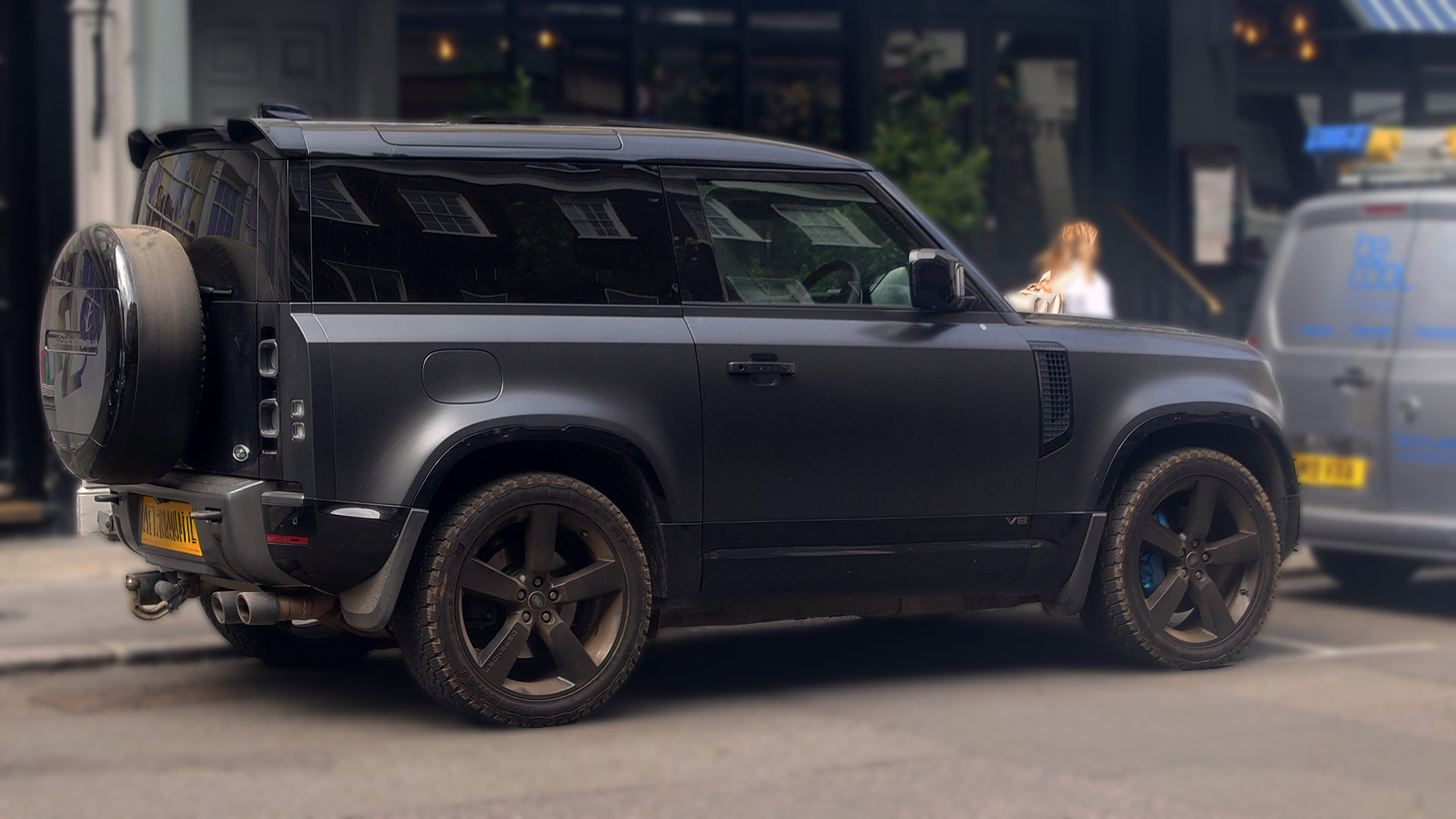
The car, electric, I drive in Switzerland because there it serves a purpose; in London I have one but it only comes out at weekends when I want to head out of town, because the Pinnacle is a hundred metres from the office at One Canada Square and on weekdays the car is largely redundant. This is another form of friction removed that nobody talks about: living inside the district where you work isn't snobbery, it's the operational choice that strips out two hours a day of commuting multiplied by five days a week multiplied by the weeks you're in London, and that time is either spent in traffic or spent thinking. The difference isn't marginal, it's structural.
To be clear, I've made plenty of choices that have nothing to do with friction removal and everything to do with declared sentiment. The Renault 5 electric I drive in Switzerland is overpriced relative to what it delivers technically but it openly references the Turbo I drove at eighteen, and that premium I pay willingly because the reference is well executed. It isn't capital allocation, it's consumption admitted as such, and precisely because it's admitted as such it works: the problem isn't spending money on personal pleasures, it's calling them operational efficiency when they are not.
The calculation is straightforward but almost no one does it, and it's worth spelling out: an hour of cognitive bandwidth lost on a Sunday morning, or four hours of a working day fragmented by micro-management you should never have had to do, doesn't cost zero. It costs precisely what your cognitive time is worth in that slot, multiplied by the erosion of decision quality you carry into the hours that follow because you started out irritated and irritation doesn't switch off on command. Anyone who has run that calculation honestly even once stops using the word "indulgence" to describe paying more for a service that simply works.
The operational question isn't how much you spend; it's how much friction you're avoiding, and this is where it gets interesting because most people have never run the numbers even once in their lives. Not from blindness and not from lack of money: from absence of framework. Nobody has ever shown them the operational version, so they absorb friction as if it were the natural state of things, and the hob that doesn't work, the parking ten minutes from the terminal rather than two, the connecting flight at five in the morning that saves eighty pounds and costs four hours of life all get processed as normality rather than as costs.
Here's the awkward bit, which isn't worth softening. The dividing line isn't between those who have money and those who don't, and that's the part many find hardest to accept: I know people with substantial bank balances who absorb enormous amounts of friction without noticing and people on modest means who optimise every single point of friction in their day with surgical precision. The discriminator is the mental habit of running the calculation, which can't be bought with a salary but is built up over years of attention; settling isn't an economic condition, it's a cognitive choice and most of the time it's a choice made without anyone realising they made it.
There's a flip side to this argument that's worth bringing out, because it's the part that bites people who recognise themselves in it. A good portion of those who dismiss spending on friction removal as "indulgence" then spend identical or larger sums on objects and situations that scream "look at me": the forty quid round of cocktails twice a week at the right place, the watch bought on finance for the Instagram shot, the seasonal handbag that lasts six months, the phone replaced annually for the new model. These are the same people who will drive across the border to save thirty pounds on a shop and then queue for two hours at customs to reclaim the VAT, without registering that those two hours are worth far more than the rebate. The problem isn't that they don't have the money; it's that they allocate it to be seen rather than to free up cognitive bandwidth. They pay twice over: once to construct status, once to absorb the friction they could have removed for the same outlay. The hierarchy of priorities is inverted and the calculation never balances because it's never run.
There's a caveat that needs stating explicitly, otherwise the whole argument turns into a comfortable rationalisation dressed up as analysis. Friction removal counts as capital allocation only if the bandwidth liberated is actually used for something worthwhile; if you pay for the Landmark Pinnacle and then spend the evening scrolling Instagram on the sofa, or fly business and then waste the following day in pointless meetings, you haven't made an investment, you've bought comfort and you're telling yourself a more flattering story. The line between investment and consumption, even when the subject is friction, sits exactly where it always has: in the use you make of the resource you've freed up, and if that resource gets dissipated it was consumption, full stop.
The rest is vocabulary. Those who have never measured the cost of friction call it indulgence, those who measure it call it capital allocation and someone with forty years of operational practice behind them stops apologising in either direction. To be clear: I can't afford private jets and that isn't what I'm talking about; I'm talking about trying to enjoy what should commonly be the bare minimum, namely objects that work and services that don't force you to manage them. The question that matters is a different one and I'll leave it as it stands: how much are you paying, in eroded cognitive bandwidth, for savings that look sensible on the receipt and have never once added up at the end of the day?