No more alibis
Posted on: 2 January 2026
Every time a new tool has democratised creation, the gatekeepers of the old order have screamed about the death of art.
Every time, they've been wrong.
Photography was meant to kill painting. The Impressionists responded by holding their first exhibition in a photographer's studio. They didn't run from the machine. They went where the machine couldn't follow. Into colour. Into light. Into subjective perception. Painting freed itself from the obligation to represent the world and produced the greatest creative explosion in modern history.
Cinema was meant to kill theatre. Theatre is still here. It focused on what cinema cannot touch. The shared breath between stage and audience. Physical presence. The unrepeatable.
The synthesiser was meant to kill real music. In 1982 the British Musicians' Union tried to ban it. Queen wrote "no synthesizers" on their album sleeves like a badge of honour. People said machines composed by themselves, that it wasn't real music, that musicians would disappear. The synth killed nothing. It merged with everything.
Then came samplers. Computers. And they blew through the physical limits. The possible combinations of notes, rhythms and melodies are finite. There's a number. Large, but finite. Technology opened up infinity. It allowed the fusion of what existed with what didn't exist yet. It created sonic territories no acoustic instrument could ever reach alone.
And today, some say artificial intelligence will kill creativity.
Same words. Same panic. Same blindness.
But I see what's really happening.
AI isn't killing art. It's killing alibis.
For decades, the mediocre have hidden behind barriers. Years of academy. Equipment that cost as much as flats. Access reserved for those with the right money, the right connections, the right time. Technique that took entire lifetimes to master.
You could be completely empty inside and no one would notice. All you had to do was execute well. The difficulty of the medium masked the absence of the message.
That era is over.
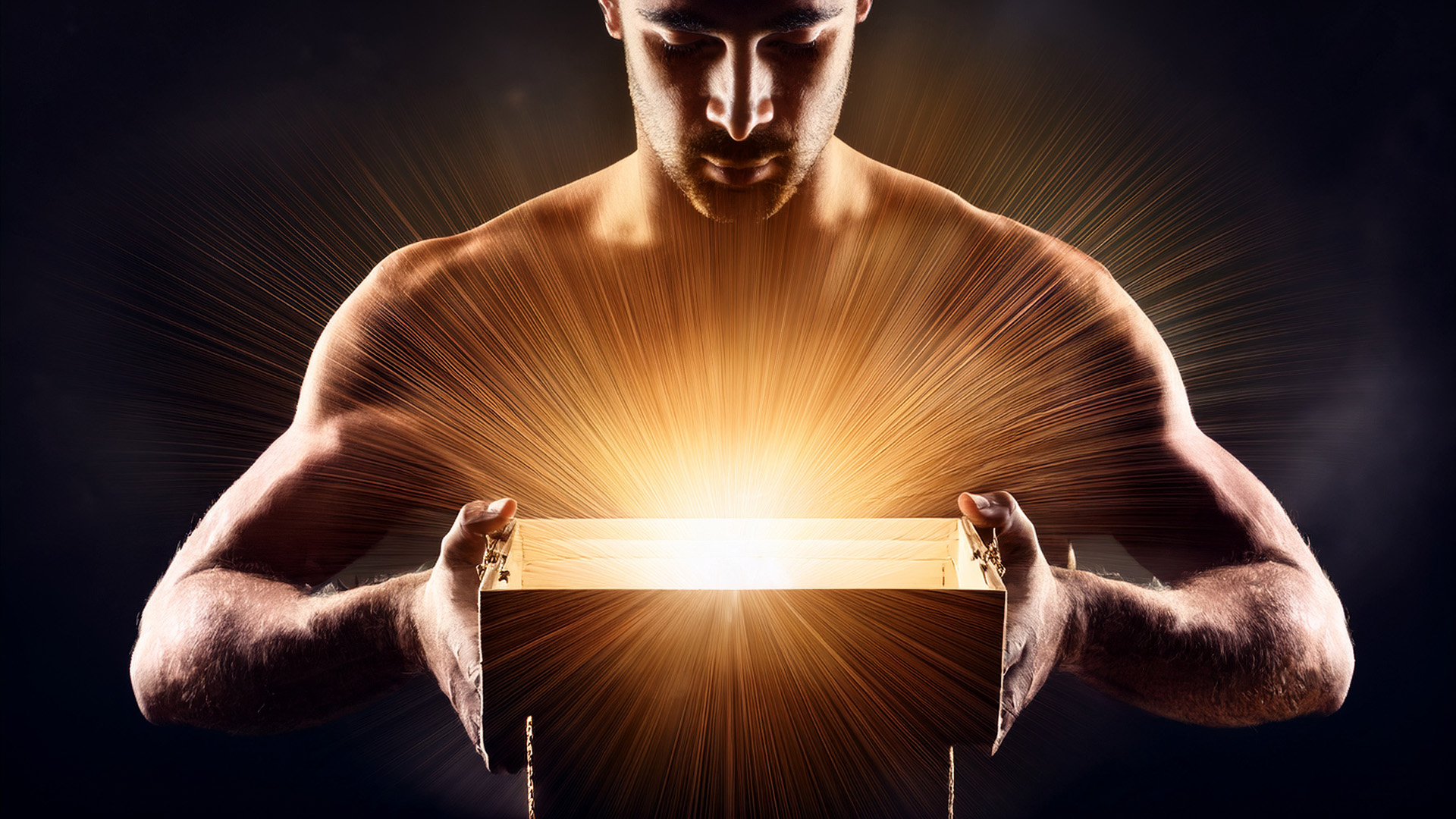
Every creative tool is an amplifier. It doesn't generate signal. It takes what you have inside and makes it stronger. If you have something true, something powerful comes out. If you have emptiness, you get more elaborate emptiness. There are no exceptions to this law.
But there's something else the amplifier does. It gives you back time.
The time you used to spend doing and redoing, you can now spend thinking. The time you burned on mechanical execution, you can now invest in depth. AI doesn't make you lazy. It frees you from the labour of the tool to bring you back to the heart of the work.
Who's afraid of this?
Not artists. Real artists are already using everything they can find. As they always have. As they always will.
Those who are afraid are the ones who mistook technique for talent. Who confused exclusive access with merit. Who deep down already suspected they had nothing to say and now can no longer hide.
They shout "authenticity" but they mean "exclusivity". They shout "real art" but they mean "the barriers that protected me from competition". They shout "dehumanisation" but they mean "I don't want to find out if there's nothing inside".
AI doesn't steal work from creatives. It steals it from those who pretend to be.
And then there's the waste argument. The rubbish. The ocean of shit that AI allows people to produce.
As if it didn't exist before.
Metres of film thrown away for every good shot. Thousands of brushes worn out for every finished painting. Canvas after canvas after canvas before the right one. Abandoned marble blocks. Hours in the darkroom for prints that ended up in the bin.
Waste already existed. Commercial rubbish already existed. Catchy but empty jingles already existed — I wrote some myself, for money, not because they were art. AI didn't invent mediocrity. It just made it faster to produce.
But it also made it faster to produce gold.
And here's the truth no one wants to face.
How many grew up surrounded by art without being able to make it? How many breathed beauty in their families, absorbed visions from those around them, learned to see before they could walk, then crashed into a tool that wouldn't obey?
I'm one of them.
Artists have passed through my family in numbers. Each one left their mark inside me. I learned to see composition, to feel the weight of light, to recognise when something works and when it doesn't. But my hand wouldn't follow. In the visual arts, I was probably the greatest failure for anyone who tried to teach me.
Yet I could see. In all those museums I went to reluctantly, I still found myself nailed in front of certain figures. It wasn't technical mastery that stopped me. It was power. That force that comes from inside and hits you before you even understand why. That thing you can't fake, can't build with technique alone. You either have it or you don't.
I could see exactly the black and white I wanted to create. I could see the perfect composition. I could see the form. But hours in the darkroom weren't enough to pull out what I had in my head.
And my father. He spent hours and hours drawing mechanical complications of every kind. He created automatic things, frighteningly innovative, together with that engineer friend of his. Engineer in the true sense of the word. Line after line, calculation after calculation, all by hand.
Think if he'd had what I have now in my computer. Who knows what he would have invented.
Then I discovered that words were my tool. I loved the typewriter, then the computer, now AI. And every time the tool improved, I could express more. Not less. More. Because the time I used to spend hitting keys and correcting mistakes, I now spend thinking. Going deeper.
Now I can be surgical. I can ask for exactly what I've always seen and never managed to create. I can pull out what I have inside with force, with rage, scream it if I need to. The tool is finally equal to the vision.
I wasn't a failure. I was a visionary without a medium.
And we're not lowering quality by democratising creation. We're finally separating those who have something to say from those who only had techniques to mask silence.
For the first time in history, the only question that matters is one.
Do you have something inside or not?
Not money. Not connections. Not years of apprenticeship. Not exclusive access.
Just the naked question.
And this question terrifies those who've built entire careers avoiding it.
Using AI to create isn't pressing a button. It's knowing what you want. Knowing how to ask for it. Recognising when what comes out is true and when it's just well-packaged noise. It's new mastery. Different. But mastery. Anyone who thinks a click is enough has never tried to create something true with any tool.
And speaking of writing.
For years they told us to write for search engines. Keywords. Optimisation. Paragraph headings to be found by algorithms. We built content for machines instead of people.
AI has blown that up too.
So finally we can go back to writing for those who read. For those who feel. For those who stop and say "fuck, that's true."
2026 begins with a choice.
You can keep complaining that the world has changed. You can cling to barriers that are crumbling. You can call the end of your protection an apocalypse.
Or you can face the question.
Do you have something to say?
If yes, you've just been given the most powerful tool that has ever existed to say it.
If no, no tool will save you. Perhaps it's time to find out.
The time for alibis is over.
Those who create, create. Those who pretended, are naked.
Welcome to the age of amplified creation.